
As technology continues to evolve, more people are asking how AI fits into the world of photography. When used thoughtfully, there are many ways that AI can support photographers behind the scenes. That is one reason the topic of how AI can compliment photography has become such an important conversation.
Photography has always included both artistry and technology. Cameras, lighting, editing software, and retouching tools have all changed over time, yet the heart of photography has remained the same. A great photograph is still about connection, expression, timing, and creating images that feel natural and meaningful. AI may help streamline certain parts of the process, but it does not replace the value of a real experience or the trained eye of a photographer.
How AI Can Compliment Photography in the Editing Process
One of the clearest examples of how AI can compliment photography is in the editing workflow. Professional photographers often spend many hours culling images, making color adjustments, correcting exposure, and creating a polished final gallery. AI tools can help speed up parts of that process so that photographers can deliver images more efficiently.
For example, AI can help identify sharp images, sort similar frames, suggest basic adjustments, and speed up repetitive editing tasks. This can be especially helpful after larger sessions or events where there may be hundreds or even thousands of images to review. Instead of spending unnecessary time on the most repetitive parts of the workflow, photographers can focus more energy on the final refinements that make the images feel cohesive and polished.
Used well, AI can support efficiency without taking away the photographer’s creative control. The goal is not to hand over the artistic process to a machine. The goal is to streamline the steps that can be automated so that the final images can still be carefully finished by a real person with intention and experience.
Faster Editing Can Benefit Clients Too


Another reason the conversation around how AI can compliment photography matters is because a more efficient workflow can directly benefit clients. When photographers are able to save time on repetitive editing tasks, that can sometimes lead to faster turnaround times and a smoother overall client experience.
Most clients are excited to receive their images as soon as possible. Whether it is a headshot session, a branding session, or event coverage, waiting for the final gallery can feel like the hardest part. If AI helps photographers move through certain technical steps more quickly, that can help clients receive their finished images sooner without sacrificing quality.
That said, fast delivery is only valuable when the images still feel polished and thoughtfully edited. A quick turnaround should never come at the expense of consistency, attention to detail, or the overall quality of the gallery. AI works best when it is used as a tool to support the photographer, not replace the care that goes into the final result.
Working With a Photographer Is Still a Real Experience
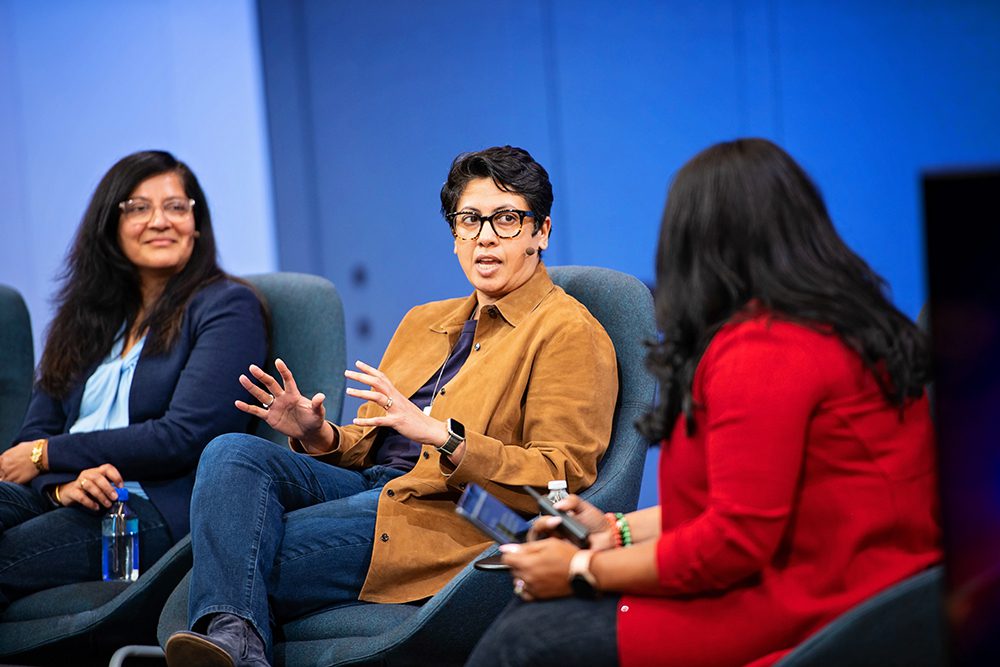
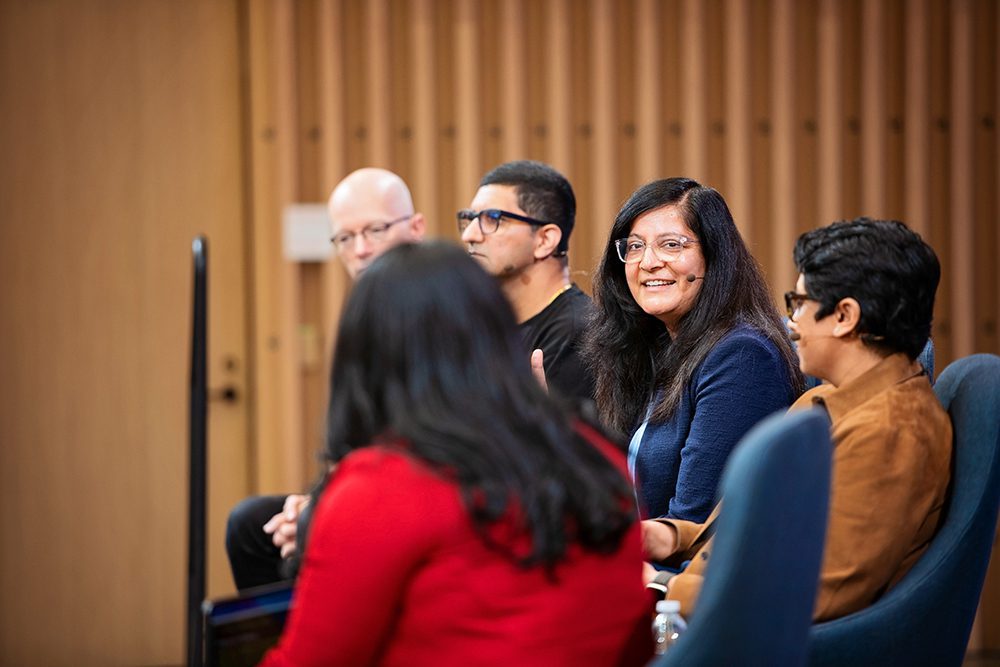
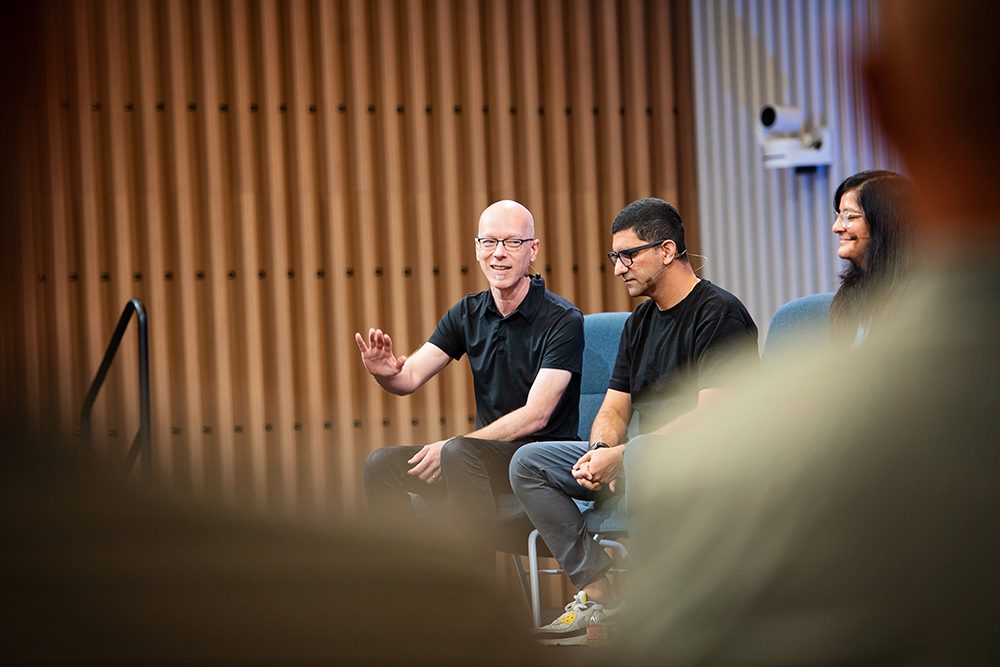
While AI may support certain behind-the-scenes tasks, it cannot replace the experience of working with a photographer. That is a major part of how AI can compliment photography without becoming photography itself.
A professional photography session is not only about the final images. It is also about the experience of being guided through the process by someone who knows how to help you feel comfortable in front of the camera. For many people, having photos taken can feel vulnerable at first. A good photographer helps with posing, expression, wardrobe guidance, lighting, and the small adjustments that make a huge difference in how natural the images feel.
That experience can actually be fun. It can feel collaborative, relaxed, and encouraging in a way that is very difficult to recreate when someone is trying to generate an image entirely on their own. Working with a photographer gives clients the opportunity to be seen, directed, and photographed in a way that feels personal. That human connection is part of what makes professional photography so valuable.
Why AI-Generated Images Can Feel Less Authentic
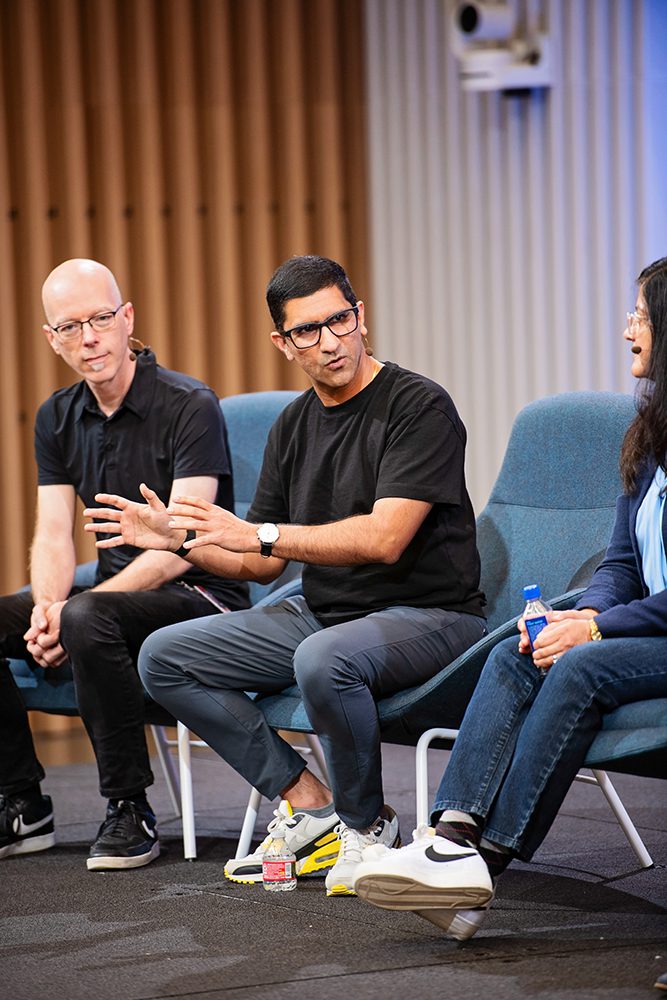
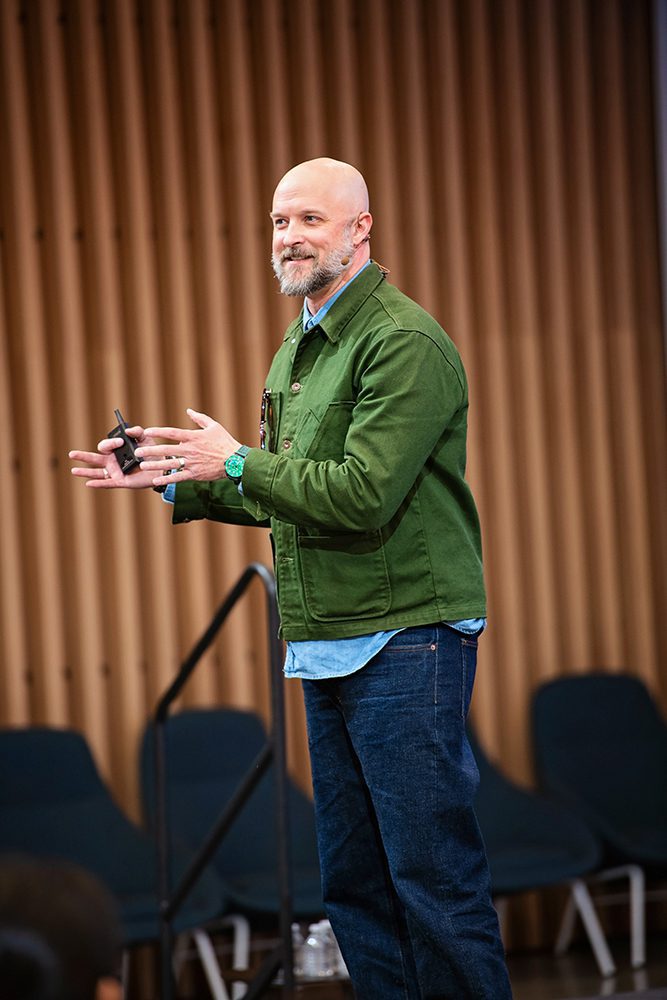
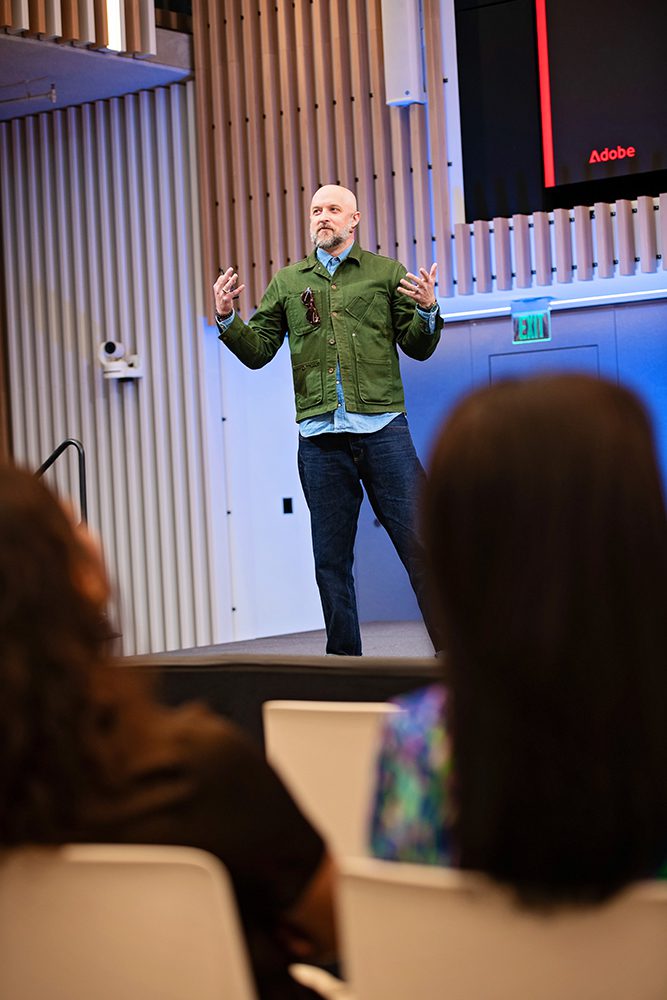

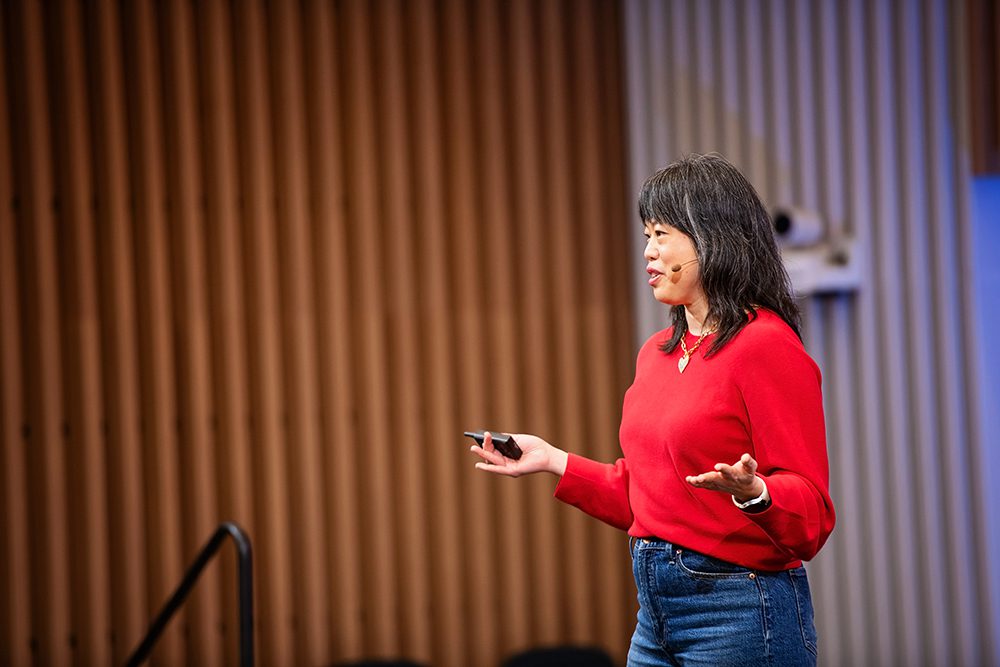
It is also important to recognize that obviously AI-generated images can sometimes feel unauthentic. Even when they are visually impressive at first glance, they may still lack the subtle realism, emotion, and honesty that make a photograph feel grounded and believable.
People are often drawn to real photography because it captures something genuine. A real laugh, a confident expression, a natural interaction, or a fleeting moment can all carry emotional weight. When an image feels too artificial, overly perfect, or disconnected from reality, it can lose some of that emotional connection.
This is especially important for professional portraits, branding images, and headshots. These types of images are often meant to help people show up in a way that feels trustworthy and relatable. If a photo looks heavily artificial or obviously AI-generated, it may not communicate the same level of authenticity. In many cases, people respond best to images that feel polished but still real.
The Human Side of Photography Still Matters
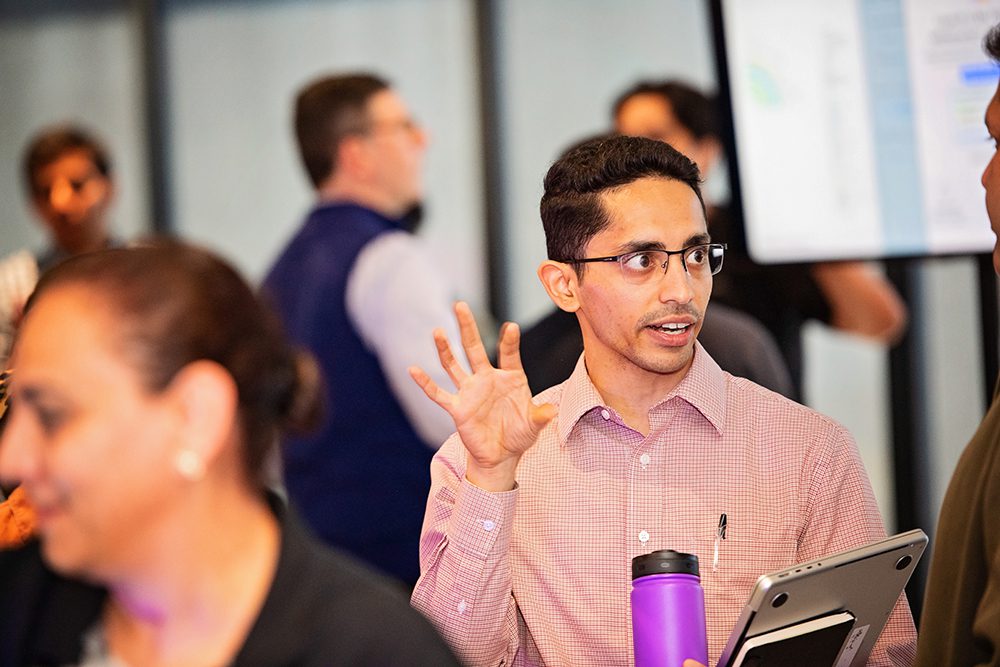
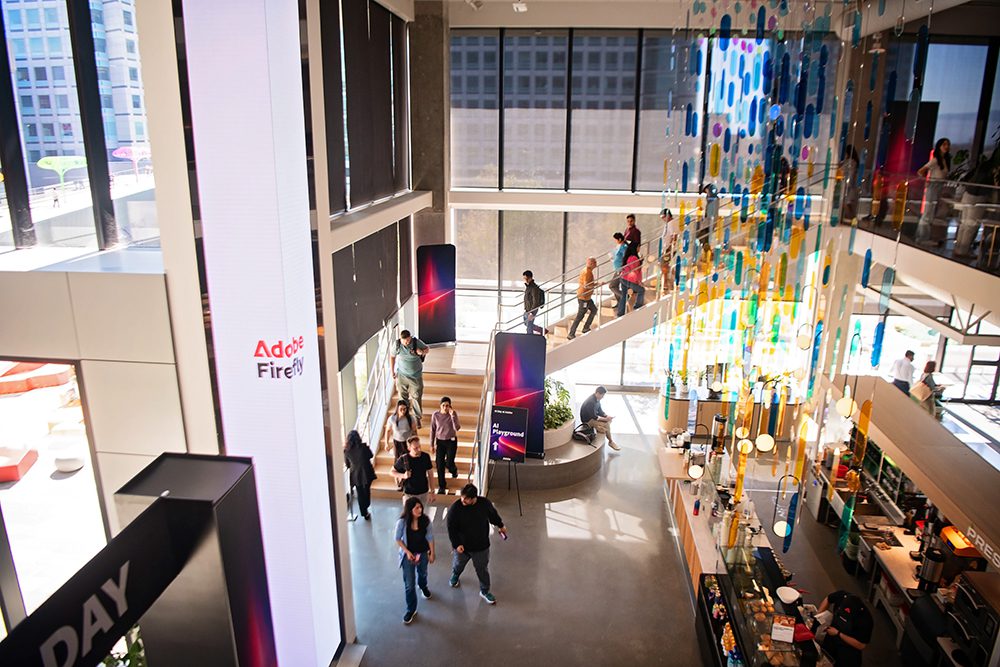
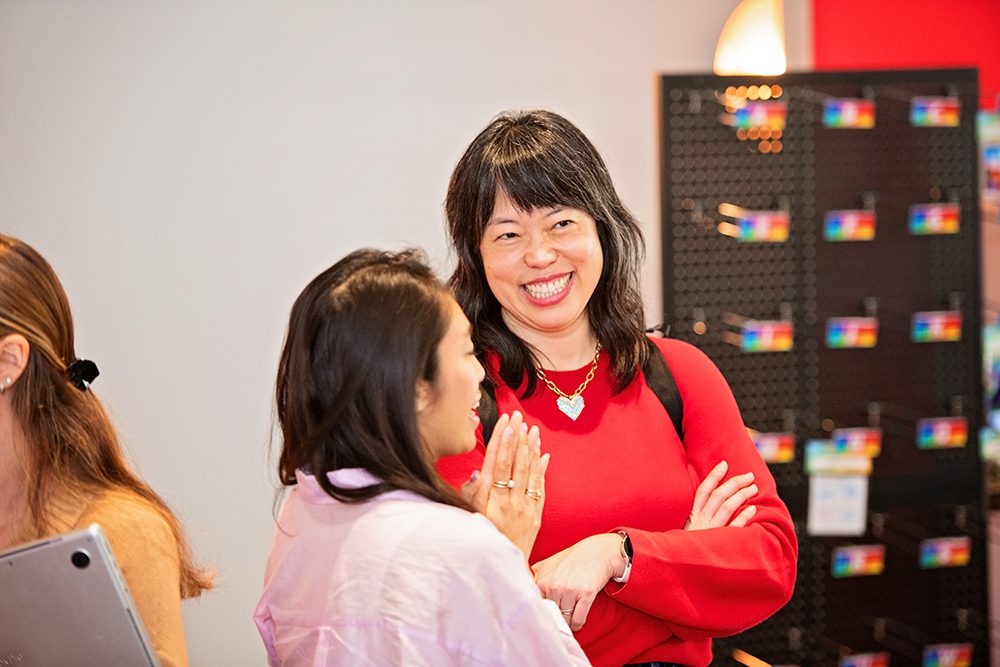
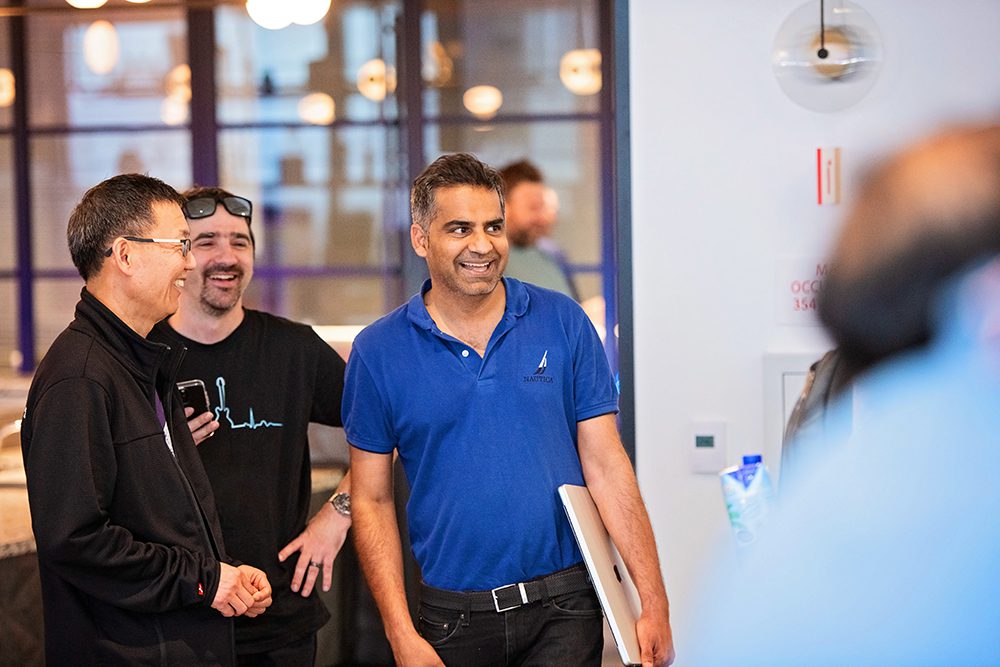

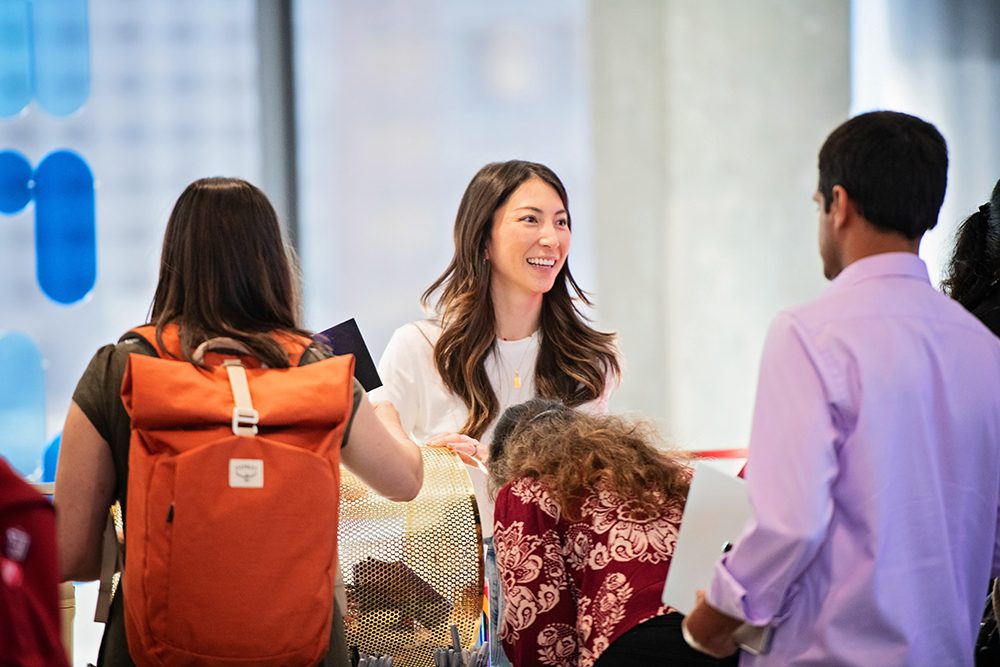
At its core, photography is about more than just producing a visually pleasing image. It is about observation, communication, and knowing how to create an environment where people feel comfortable enough to be themselves. That human element is a large part of why photography continues to matter, even as technology becomes more advanced.
This is where the discussion of how AI can compliment photography becomes most useful. AI can support efficiency. It can help photographers organize and edit more effectively. It can reduce time spent on repetitive tasks. But the photographer is still the one shaping the experience, noticing the details, and making creative choices that give the final images meaning.
The best use of AI in photography is often the most thoughtful one. It stays in the background and helps support the process, while the photographer remains fully involved in the parts that require human judgment, taste, and connection.
A Balanced Approach to AI and Photography
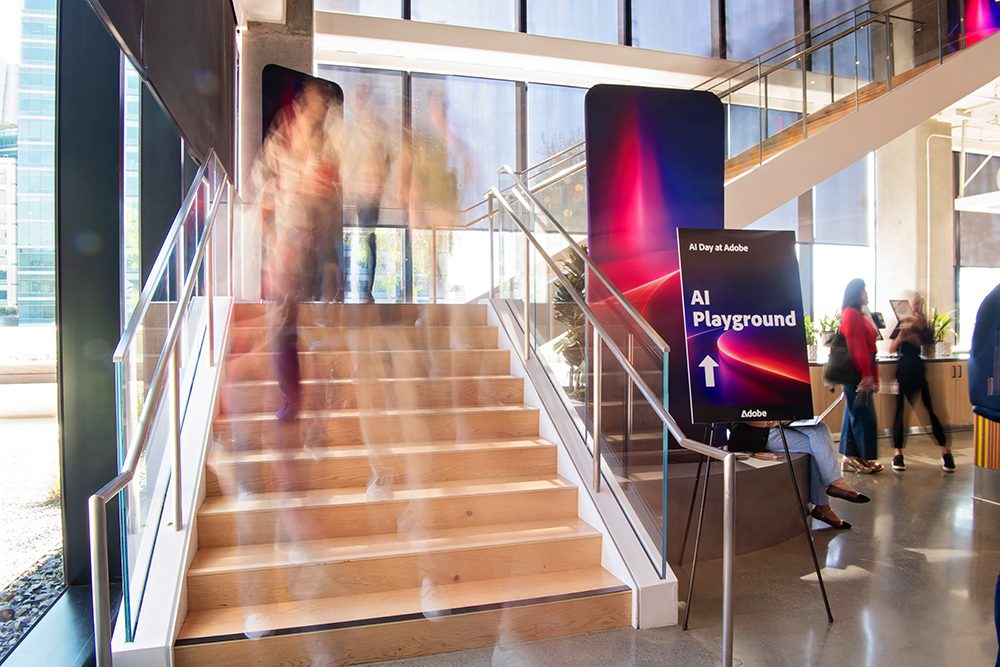
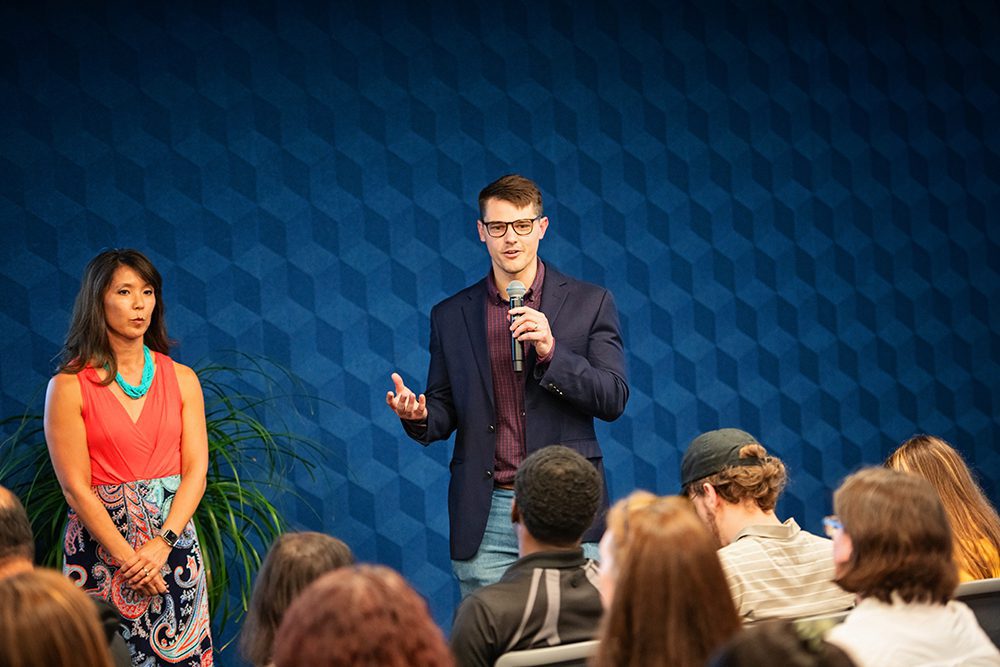
There does not have to be a dramatic divide between technology and artistry. Photography has always evolved alongside new tools, and AI is simply another tool that can be used well or used poorly. When used with care, it can improve efficiency and allow photographers to spend more time on the parts of their work that matter most.
A balanced approach recognizes both sides. AI can help streamline workflow and support faster editing. At the same time, real photography still offers something that cannot be generated from a prompt alone. It offers an experience. It offers collaboration. It offers images that are rooted in something real.
Final Thoughts on How AI Can Compliment Photography

The conversation around how AI can compliment photography is likely to continue growing, and for good reason. AI can be helpful when it is used to support a photographer’s workflow, especially when it comes to speeding up repetitive editing tasks and improving overall efficiency.
At the same time, working with a photographer remains a very different experience from creating AI-generated images on your own. A photography session is personal, guided, and often genuinely enjoyable. Most importantly, real photographs tend to carry a sense of authenticity that is difficult to replicate artificially.
In the end, AI works best when it supports photography rather than trying to replace it. When used thoughtfully, it can help photographers serve their clients well while preserving the human side of the experience that makes photography so meaningful.
